The BDR of 2025: how AI automation is redefining the role
By The Damulo Team on 2024-07-19
The traditional Business Development Representative (BDR) role is one of the toughest jobs in sales. It's a high-volume, high-pressure grind of manual prospecting, cold calling, and data entry that leads to notoriously high burnout and turnover rates (often exceeding 30% annually). But this is about to change. AI automation is poised to eliminate the most monotonous parts of the BDR role, transforming it from a manual labor position into a strategic, tech-enabled "pipeline operator" role.
The traditional BDR: A manual factory worker
For the last decade, the BDR role has been defined by brute force. Success was measured by activity metrics: 100 dials per day, 200 emails sent. BDRs were given a list of names and a script and told to "hit the phones." Their daily work involved:
- Manually researching leads on LinkedIn and company websites.
- Scrubbing and cleaning lists to find correct contact information.
- Logging every activity manually in the CRM.
- Sending hundreds of generic, templated emails.
- Facing constant rejection and frustration.
This model is inefficient, demoralizing, and ultimately, unsustainable. It treats humans like robots, asking them to perform repetitive tasks they are not good at and do not enjoy. It's a core component of an outdated sales model, unlike the modern sales engine.
The BDR of 2025: A strategic pipeline operator
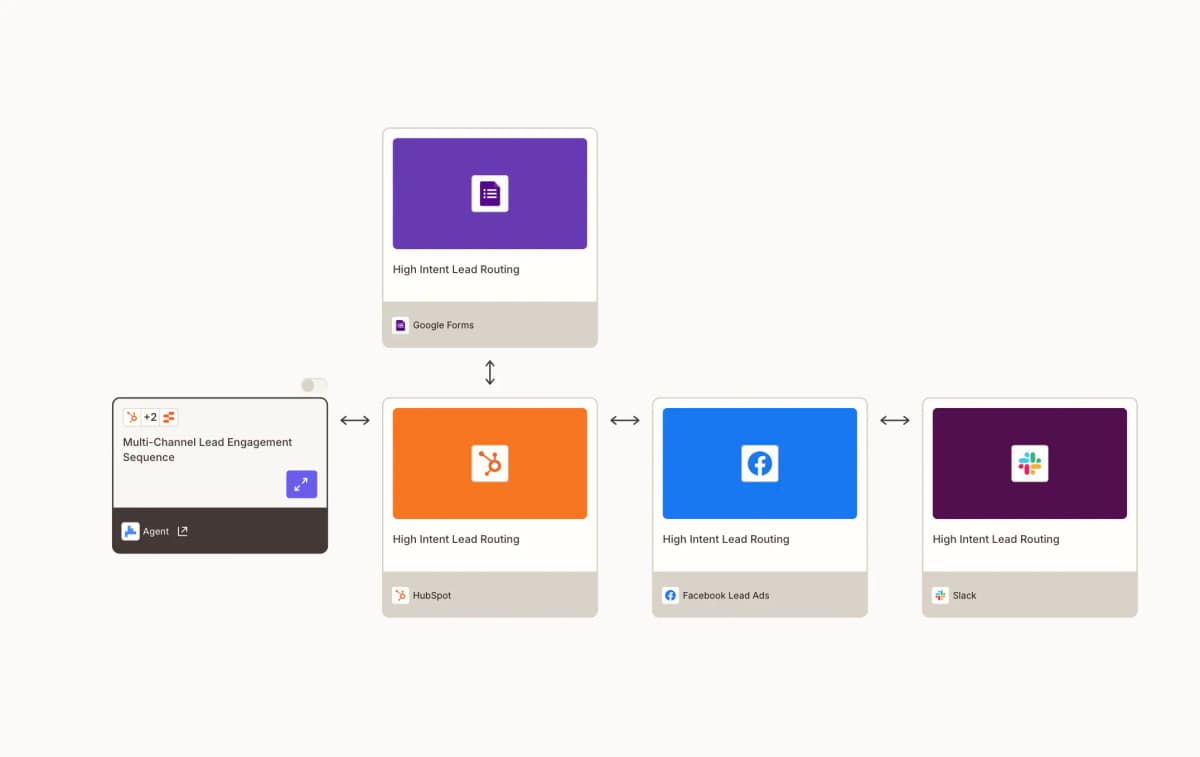
AI is flipping this model on its head. AI agents are taking over the robotic, repetitive tasks, freeing up BDRs to focus on the strategic and human elements of sales development. The BDR of 2025 doesn't do the manual work; they operate the AI systems that do it for them.
How AI transforms the BDR's daily workflow:
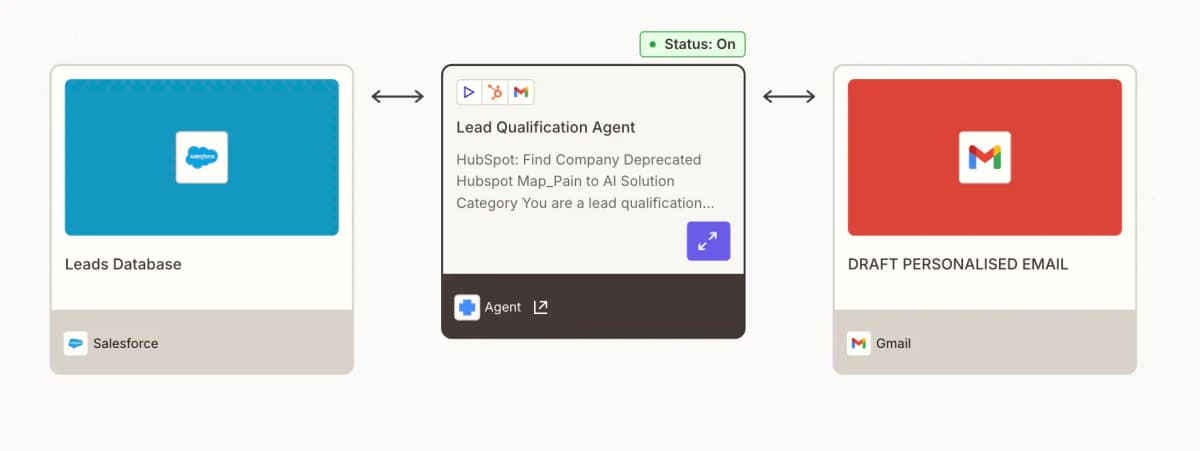
Prospecting & Research (Automated): An AI agent works 24/7, scanning the web for companies and contacts that fit the Ideal Customer Profile (ICP). It identifies trigger events (like funding rounds or new executive hires) and automatically surfaces these high-intent accounts. The BDR no longer hunts for leads; they receive a perfectly curated and prioritized list each morning, a process detailed in our guide to AI lead qualification for BDRs.
Personalization (AI-Assisted): For each prioritized lead, an AI agent researches the individual and drafts a hyper-personalized opening line for an email. The BDR's job is not to write the email from scratch, but to review the AI's suggestion, add their own human touch, and approve it. This combines machine efficiency with human authenticity.
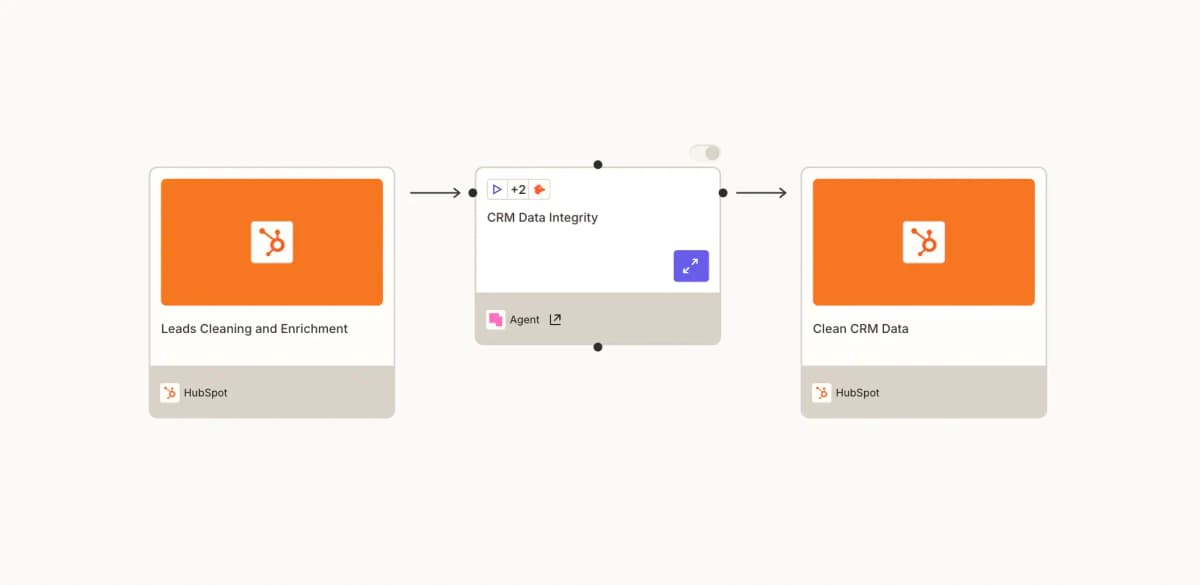
Data Entry (Eliminated): All activities—emails, calls, meetings—are automatically logged in the CRM by an AI data agent. The BDR's interaction with the CRM shifts from manual data entry to strategic analysis. They use the CRM to understand their pipeline, not to perform administrative chores, as explained in our post on ending CRM housekeeping.
The new skill set for BDRs:
In this new world, the most successful BDRs won't be the ones who can make the most calls. They will be the ones who possess a new set of skills:
- Strategic thinking: Can they analyze the data from their AI tools to identify trends? Can they provide feedback to marketing to refine the ICP?
- Tech-savviness: Are they comfortable managing and operating a suite of AI tools? Can they "prompt" an AI agent to perform a complex search?
- Exceptional communication: With personalization assisted by AI, the focus shifts to the quality of the conversation. BDRs need to be excellent listeners and engaging conversationalists who can build rapport quickly.
- Writing skills: The BDR's role becomes more like an editor than a writer. They need to be able to take an AI-generated draft and polish it into a compelling, human-sounding message.
Conclusion: Elevating the role
AI is not replacing the BDR role; it's elevating it. It's removing the frustrating, soul-crushing grunt work and allowing BDRs to function as what they should have been all along: strategic partners to the sales team who are experts at initiating valuable business conversations. Companies that embrace this new model will not only see a massive increase in productivity but will also be able to attract and retain a new, higher caliber of sales development talent. The Damulo AI blueprint is designed to build this future for your team, today.
Elevate your BDR team
Stop burning out your BDRs with manual tasks. Download our AI Blueprint Checklist to see how automation can transform the BDR role at your company.
Download your free checklist →